
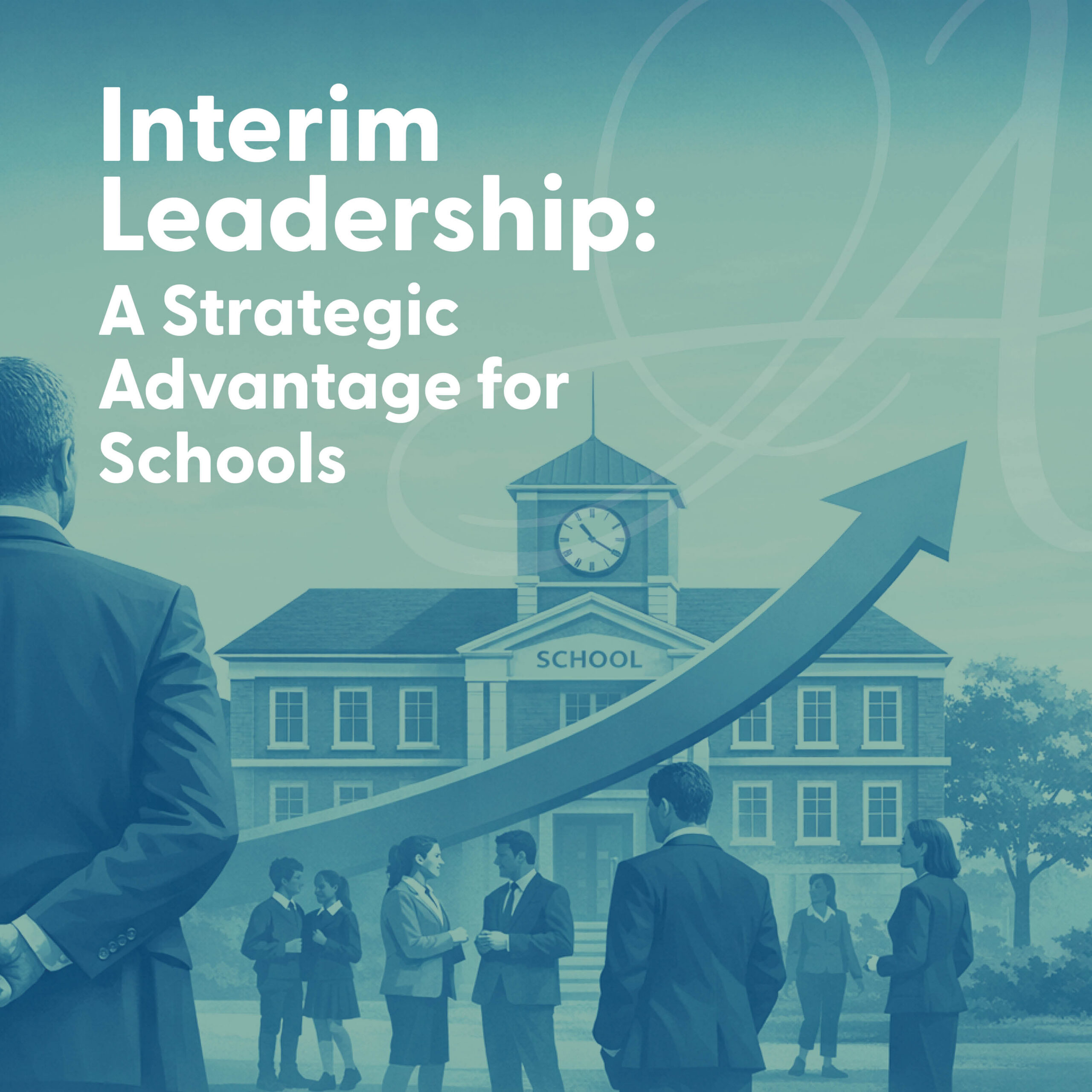
Leadership in education has never been more demanding. With increasing accountability, evolving inspection frameworks, and ongoing recruitment challenges, schools and trusts are often required to make critical leadership decisions quickly—sometimes in less-than-ideal circumstances.
One solution that continues to gain traction is interim senior leadership. Yet despite its growing use, it is still often misunderstood as a short-term fix rather than a strategic advantage.
In reality, when deployed effectively, interim leadership can be one of the most powerful tools available to schools.
Understanding Interim Leadership
Interim senior leaders are experienced professionals—often former Headteachers, Deputies, or Executive Leaders—who step into leadership roles on a temporary basis. They are typically brought in to provide stability, drive improvement, or lead through periods of transition.
This could include:
- Sudden leadership departures
- Ofsted or inspection pressure
- Organisational restructuring
- Challenges in recruitment for permanent roles
Rather than pausing progress, interim leaders ensure momentum continues.
Why Schools Are Choosing Interim Leaders
- Immediate Impact
Interim leaders are used to stepping into complex environments and making quick, informed decisions. They bring clarity, structure, and direction from day one. - Proven Experience
Unlike many permanent hires, interim leaders are often selected for very specific challenges. Schools benefit from leaders who have already navigated similar situations successfully. - Objectivity and Fresh Perspective
Being external to the organisation allows interim leaders to assess situations without bias. This often leads to clearer decision-making and more effective change. - Stability During Uncertainty
Periods of leadership change can create anxiety across staff and the wider school community. A strong interim leader provides reassurance, consistency, and visible leadership. - Flexibility Without Long-Term Commitment
Interim appointments give schools the ability to respond to immediate needs without committing to a permanent hire before they are ready. - Building Internal Capacity
The best interim leaders don’t just “hold the fort”—they develop others. They support and mentor existing staff, leaving a stronger leadership structure behind.
Moving Beyond the “Stopgap” Mindset
One of the biggest misconceptions about interim leadership is that it is purely reactive. In reality, the most successful schools use interim leaders proactively—as a strategic decision to strengthen leadership, not just fill a gap.
An effective interim leader doesn’t just maintain standards—they raise them.
How We Support Schools and Leaders
As a specialist education senior leadership recruitment firm, we understand that no two schools—or leadership challenges—are the same.
Our role is not simply to place a leader, but to ensure the right fit for your context, your priorities, and your timescale.
We work closely with schools and trusts to:
- Identify the specific leadership need
- Match with experienced, high-impact interim leaders
- Ensure a smooth and efficient onboarding process
- Provide ongoing support throughout the placement
At the same time, we support senior leaders seeking interim roles—helping them find opportunities where they can make a genuine difference and maximise their impact.
Final Thoughts
In a system where time, stability, and outcomes matter more than ever, interim leadership offers a practical, effective, and increasingly strategic solution.
Whether navigating change, addressing challenges, or simply ensuring continuity, the right interim leader can transform a period of uncertainty into an opportunity for growth.
If you are considering interim leadership support—or exploring your next leadership opportunity—we would be glad to start a conversation.